


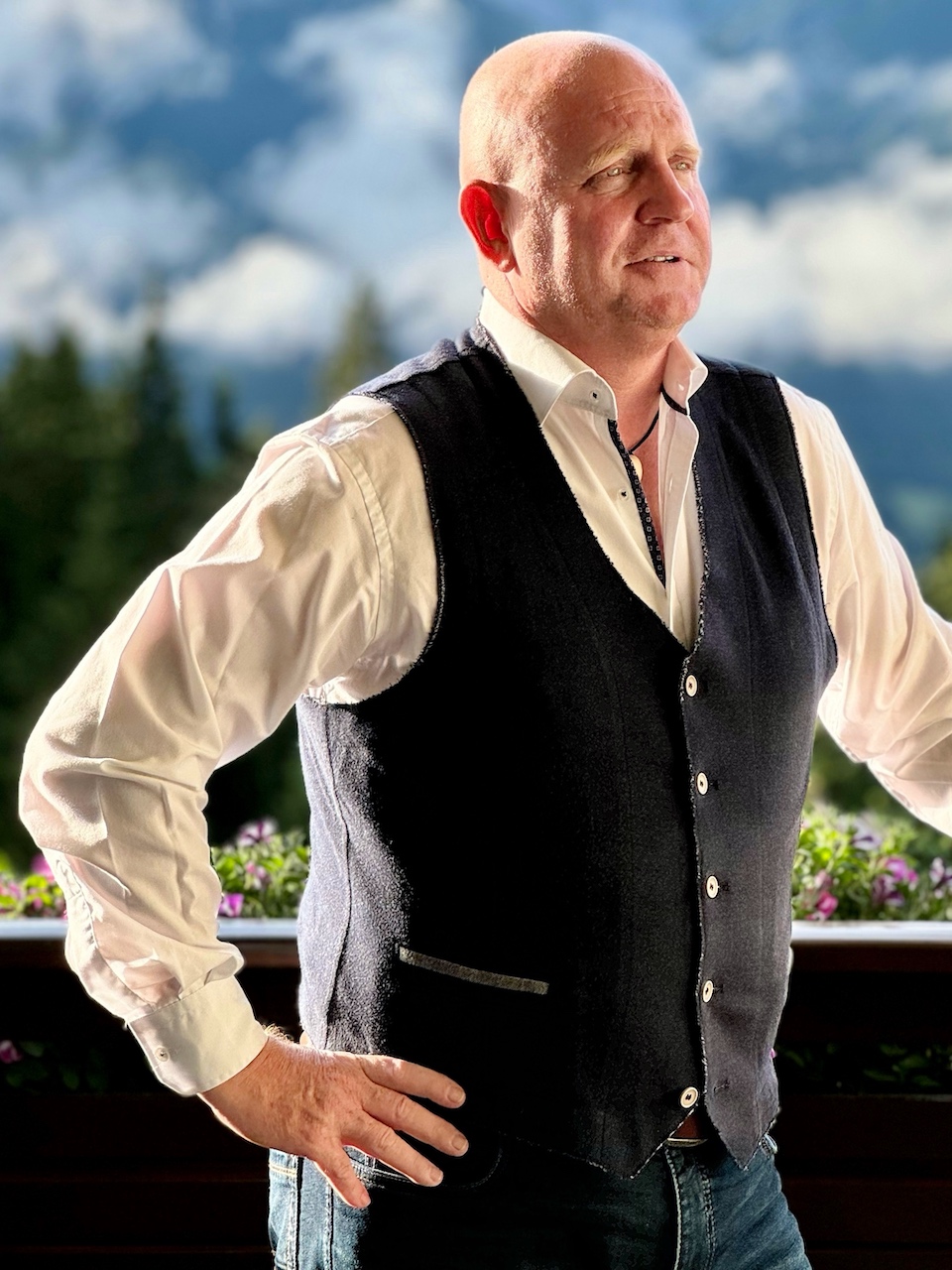
For this exclusive conversation, we met Ramesh Thapa in person at the Zulal Wellness Resort by Chiva-Som. During our visit to the resort, we had the opportunity to experience his work first-hand and observe his approach to holistic body therapy and energy-based treatments in practice.
What immediately stood out was the highly practical nature of his methods. Rather than presenting wellness concepts in an abstract or theoretical way, Thapa works with techniques that clients can directly feel and experience. His calm presence, combined with a precise understanding of the body and subtle energy systems, left a strong impression on us.
Because we were genuinely convinced by his practical skills and the depth of his holistic approach, we decided to conduct this interview on site. In the following conversation, Thapa shares how his Nepalese background, his training in Ayurveda, and his experience with energy work shape his understanding of longevity, healing, and sustainable wellbeing.

Exclusive Interview with Ramesh Thapa, practical longevity expert from Nepal
Andreas Conrad: How has your Nepali background shaped your approach to healing, energy work, and body therapy?
Ramesh Thapa: Growing up in Nepal, where Ayurveda and natural healing are deeply rooted in daily life, has strongly shaped my approach to healing. My background taught me to see health holistically; not only as physical wellness, but as a balance of body, mind, emotion, and energy.
Through my Diploma in Ayurvedic and Body Therapy from Aesthetic International Academy in Kathmandu, along with my studies in Craniosacral Therapy, I developed a strong understanding of natural and energy-based healing methods.
Because of my Nepali and Himalayan roots, I approach every treatment with mindfulness, compassion, and patience. I focus on supporting the body’s natural ability to heal itself through holistic techniques and energy alignment. This cultural foundation continues to guide my professional practice in body therapy and wellness.
Andreas Conrad: You combine Ayurveda, TCM, energy work, and modern spa techniques how do you create a harmonious balance between them?

Ramesh Thapa: I create harmony by honoring the core philosophies of each healing system and integrating them with a unified therapeutic objective. Ayurveda forms the foundation of my practice, guiding my understanding of body constitution, doshas, and natural rhythms. Throughout my professional journey, I have gained practical exposure to Traditional Chinese Medicine, energy-based therapies, and modern spa techniques, which broadened my clinical approach. I apply each modality with purpose: Ayurveda to address root imbalances, TCM to regulate energy flow, and modern techniques to enhance comfort and measurable outcomes resulting in safe, personalized, and holistic treatment experiences.
Andreas Conrad: What role does craniosacral therapy play in your daily practice, and in which areas do you see the most profound effects?
Ramesh Thapa: Craniosacral therapy plays a consistent and meaningful role in my daily practice, particularly in supporting clients who experience emotional stress and subtle imbalances. I have found it to be especially effective in calming the nervous system, releasing deeply held tension, and restoring the body’s natural rhythm. In many cases, emotional stress manifests as physical discomfort, mental fatigue, sleep issues, or a general sense of imbalance, and craniosacral therapy allows these patterns to unwind gently. The most profound effects are often seen in areas related to stress regulation, emotional stability, mental clarity, and overall relaxation.
Andreas Conrad: Many of your treatments work with subtle energies—how do you explain their effects to people who have no prior experience with them?
Ramesh Thapa: When working with clients who have no prior experience with subtle energy therapies, I explain the effects in simple, relatable terms. I often compare subtle energy to the body’s natural communication system, which is similar to the breath, circulation, or nervous system in that it is always active, even if not consciously felt. I focus on how stress, emotions, and lifestyle can create blockages, and how gentle techniques help restore balance and flow. Rather than emphasizing concepts, I encourage clients to notice practical outcomes such as deep relaxation, improved sleep, emotional clarity, or reduced tension. By grounding the experience in observable results and personal sensations, clients gain trust and understanding, allowing them to experience the benefits naturally and without resistance.

Andreas Conrad: What distinguishes, in your view, a “good massage” from a truly transformative treatment?
Ramesh Thapa: A good massage provides physical relief, relaxation, and temporary comfort, addressing muscle tension and fatigue. A truly transformative treatment, however, goes beyond technique and pressure; it works on multiple levels of the individual. In my view, transformation occurs when a treatment considers the client’s physical condition, emotional state, energy balance, and personal needs as a whole. It involves presence, intention, and the ability to listen to the body rather than simply following a routine. A transformative treatment supports the body’s natural healing response, creates lasting balance, and often brings increased awareness, emotional release, and long-term wellbeing. The client leaves not only feeling relaxed, but also more aligned, grounded, and reconnected with themselves.
Andreas Conrad: Which physical or emotional issues do you encounter most frequently with clients today?
Ramesh Thapa: In my practice, I most frequently encounter emotional issues among clients. Stress, anxiety, and mental fatigue are common, often manifesting physically as tension, headaches, or disrupted sleep. Many clients also carry emotional blockages that affect energy flow and overall wellbeing. I find that addressing these emotional concerns requires a holistic approach – combining gentle physical therapies, energy work, and mindful techniques to help clients release tension and restore balance. By supporting both the mind and body, treatments not only relieve immediate discomfort but also help clients build resilience, emotional clarity, and a deeper sense of inner calm. Emotional wellbeing has become central to creating lasting results in my practice.
Andreas Conrad: If you could choose only one treatment that best reflects your holistic understanding of healing, which would it be and why?
Ramesh Thapa: If I were to choose one treatment that best reflects my holistic understanding of healing, it would be craniosacral therapy. Unlike many therapies that focus primarily on physical symptoms, craniosacral therapy addresses the deeper emotional and energetic imbalances that influence overall wellbeing. Stress often originates in the emotional and subtle energy systems, which are closely connected to the central nervous system. This therapy allows the body to release tension gently, restore natural rhythm, and support the flow of energy, creating balance on multiple levels. By working with both the nervous system and subtle energy, craniosacral therapy not only alleviates stress but also promotes emotional clarity, relaxation, and resilience, making it a deeply integrative approach that embodies the essence of holistic healing.
These are the original, unedited answers.
Here you have the opportunity to read the interview translated into German.



